Private Server VPN Review - Is It Worth It?
- Alex Bex
- 1 day ago
- 5 min read
A shared VPN server can protect your traffic, but it cannot give you full control over the environment carrying it. That is where a private server VPN review becomes useful. A dedicated server plan can give you a consistent IP address, isolated resources, and a connection built around your access needs rather than the behavior of thousands of unknown users.
For travelers, remote professionals, streamers, and privacy-focused users, that control can be valuable. It can also be unnecessary if your real priority is blending into a large crowd of VPN users. The right choice depends on what you need your VPN to do when privacy, access, and reliability are all on the line.
What a Private Server VPN Actually Means
The phrase "private server VPN" is used loosely, so read the plan details carefully. In the strongest sense, it means a VPN server reserved for one customer, household, or organization. You are not sharing its processing capacity or public IP address with the provider's wider user base.
Some providers use the term for a dedicated IP instead. A dedicated IP gives you an address assigned only to you, while the underlying VPN infrastructure may still be shared. That can still solve practical access problems, but it is not identical to having a server environment reserved for your account.
This distinction matters. If you are paying for private infrastructure, ask whether the plan includes a dedicated IP, a fully dedicated server, or both. Ask where it is hosted, whether you can choose its region, and whether the provider maintains it directly. Clear answers signal a service that understands privacy is more than a marketing label.
Private Server VPN Review: The Real Advantages
The most immediate benefit is a stable identity online. Shared VPN IPs rotate through many users and can be flagged by websites, banks, gaming platforms, or streaming services after someone else abuses them. With a private IP, your access history is yours. You are far less likely to inherit another user's bad reputation.
That consistency helps remote work. Corporate tools often trigger security challenges when logins jump between unfamiliar locations or rapidly changing addresses. A dedicated server lets you connect from hotel Wi-Fi, an airport, or a coffee shop while presenting the same approved IP to the systems you use.
Performance can improve too, especially when a shared server is under heavy demand. A private server reduces the risk that other users will consume the capacity you need for video calls, large uploads, or high-quality streaming. It does not repeal the laws of distance, however. A server across an ocean will still add latency. Choose a location near the service, game, or work platform you use most.
There is also an operational advantage for families and small teams. One controlled endpoint can make it easier to establish location-based access rules without circulating a shared account password or trusting a crowded public server. This is useful when privacy needs to stay simple enough for everyday use.
The Privacy Trade-Off Most Reviews Miss
A dedicated IP is not automatically more anonymous. Shared servers provide a crowd effect: many users appear to originate from the same IP, making individual activity harder to distinguish from the traffic around it. A private IP is recognizable as yours over time, even if the websites you visit cannot see your real home address.
That does not make dedicated access unsafe. It changes the privacy model. You gain control, consistency, and isolation from other users, while giving up some of the natural blending that comes with shared infrastructure.
For anonymous browsing, research, or situations where you want your activity to look less distinctive, a shared server may be the better tool. For accessing a work dashboard, securing a fixed home connection, or avoiding repeated account verification, a private server is usually the stronger option. Privacy is not one setting. It is choosing the right protection for the job.
Security Features That Still Matter
Private infrastructure is only as trustworthy as the VPN service operating it. A server reserved for you still needs modern encryption, secure protocols, DNS and IP leak protection, and a kill switch that blocks traffic if the encrypted tunnel drops.
A kill switch deserves special attention. Without it, a brief connection failure can expose your real IP address to the site, app, or network you were trying to shield. Test this protection after installation instead of assuming it works. Disconnect the VPN during a non-sensitive browsing session and confirm that traffic stops until the connection returns.
Zero-logs positioning matters as well, but treat it as a question that deserves specifics. What connection data is retained? For how long? Is the policy the same for shared servers and private plans? A provider should explain its approach in direct language, not hide behind vague claims about security.
Protocol choice can affect the experience. Newer protocols often deliver faster connections and work well on mobile networks, while established options can be useful on restrictive networks or older devices. A serious service gives you sensible defaults without forcing advanced users into a one-size-fits-all configuration.
Who Should Pay for a Private Server?
A private server plan makes the most sense when a changing or crowded IP creates a real problem. Remote workers who repeatedly access secured business platforms, frequent travelers who need dependable logins, gamers who value predictable routing, and users managing a private home service are strong candidates.
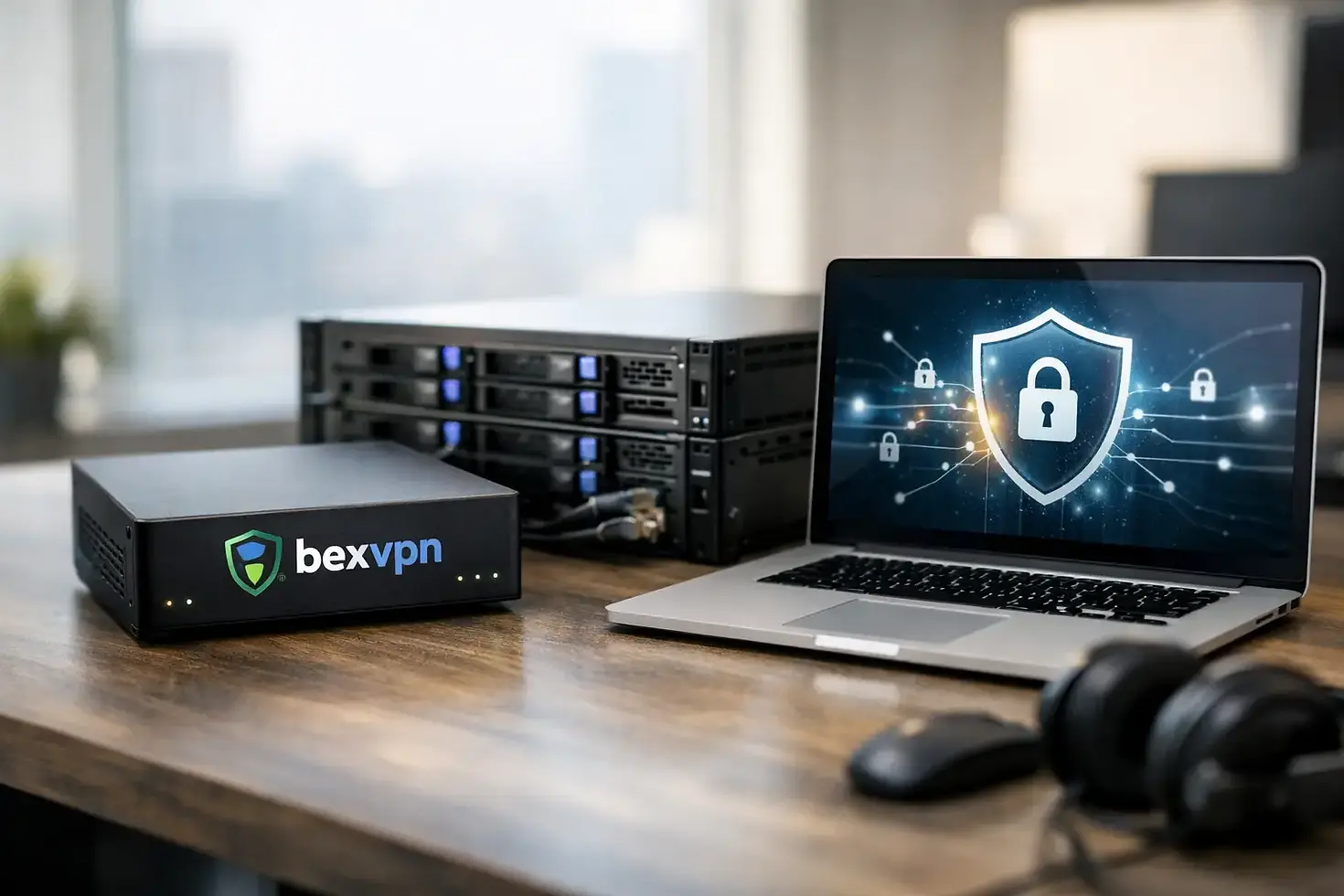
It can also make sense for people who want one consistent connection point for a household or trusted community. BEX VPN's dedicated private server plans fit this use case alongside consumer protections such as encrypted connections, kill switch coverage, and IP leak prevention. The point is not to add complexity. It is to keep control in the hands of the person using the connection.
For casual browsing on public Wi-Fi, occasional streaming, or general privacy on a phone, a quality shared VPN plan may offer better value. You still get encrypted traffic and an alternate IP, often with access to more locations. Paying for dedicated infrastructure only makes sense when its practical benefits solve a recurring frustration.
Questions to Ask Before You Choose
Start with location. A private server in the wrong country or city can be less useful than a high-quality shared server near your target service. Confirm whether the plan lets you select the region and whether changing locations later is possible.
Next, clarify the IP arrangement. Is the address exclusively yours? Is it static? Can you use it across your devices? If you need your phone, laptop, and Android TV to connect through the same trusted identity, device support is not a minor detail.
Then look at capacity and support. Ask whether bandwidth is capped, whether throttling applies, and how the provider handles outages. A dedicated server should not become a single point of failure with no fast route to help. The best plans combine private access with a broad network you can use when you need a different location.
Finally, consider how you will use the connection. Do not choose a dedicated IP solely to bypass a platform's rules or security controls. Services can change their detection policies at any time, and no VPN can promise permanent access everywhere. Choose private infrastructure for security, stable access, and personal control first.
Set It Up Without Weakening Your Privacy
Use a unique account password and enable any available account security controls before deploying a private server. Install the VPN only from official app stores or the provider's verified distribution channels. Then enable the kill switch and leak protection before connecting on public Wi-Fi.
After connecting, verify that your visible IP and DNS requests reflect the VPN rather than your local network. Repeat the check after app updates and when switching between Wi-Fi and cellular data. Mobile networks change quickly, and a private server plan is most valuable when its protection remains active without demanding constant attention.
A private server is worth the extra cost when it removes friction without asking you to surrender control. Choose it for a stable digital base, not for empty exclusivity. The strongest setup is the one you understand, test, and can rely on when the network around you cannot be trusted.


Comments